Blog
General
Why More Patients Are Choosing Telehealth for Neurological Care
Telehealth is making neurological care more accessible by eliminating long travel times, reducing wait barriers, and connecting patients with specialists regardless of location. For people recovering from concussions and traumatic brain injuries, virtual evaluations provide structured assessments, objective documentation, and ongoing care in a more comfortable environment. As access to neurological specialists remains limited in many areas, telehealth offers a practical and clinically rigorous path to timely brain injury care.
Board-certified physicians
Objective, FDA-approved testing
Multidisciplinary concussion rehab
Getting a neurological evaluation after a brain injury sounds straightforward. In practice, it rarely is. For many patients, the path to a specialist involves weeks of waiting, a drive that crosses county lines, a waiting room filled with fluorescent lights, and a body that is already struggling to keep up with daily life. The care itself may be excellent. But the process of getting to it can quietly make things worse.
That tension is one of the reasons telehealth has taken hold so quickly in neurological care. It is not that patients stopped valuing in-person medicine. It is that a growing number of them discovered that a virtual appointment could give them access to qualified clinicians without the physical and logistical cost of traveling to one. For people managing concussion symptoms, cognitive fatigue, or the aftermath of a traumatic brain injury, that distinction matters more than it might for a routine checkup.
The shift has been steady, and the reasons behind it are worth understanding, especially if you are someone who has been putting off getting evaluated because the process has felt like too much.
Neurological Care Has a Geographic Problem
The Specialist Shortage Is Real
The United States has a documented shortage of neurologists, and that shortage is not distributed evenly. Major metropolitan areas have concentrated access. Rural communities, smaller cities, and many suburban areas do not. Patients in those regions are often left choosing between a long drive and no care at all.
- The American Academy of Neurology has flagged the neurologist workforce shortage as one of the most pressing issues in specialty care
- Many patients wait 3 to 6 months for an initial neurology appointment, sometimes longer
- For patients dealing with post-concussion symptoms, delayed evaluation can slow recovery and complicate legal or workers' compensation documentation
Telehealth Neurology Removes Distance from the Equation
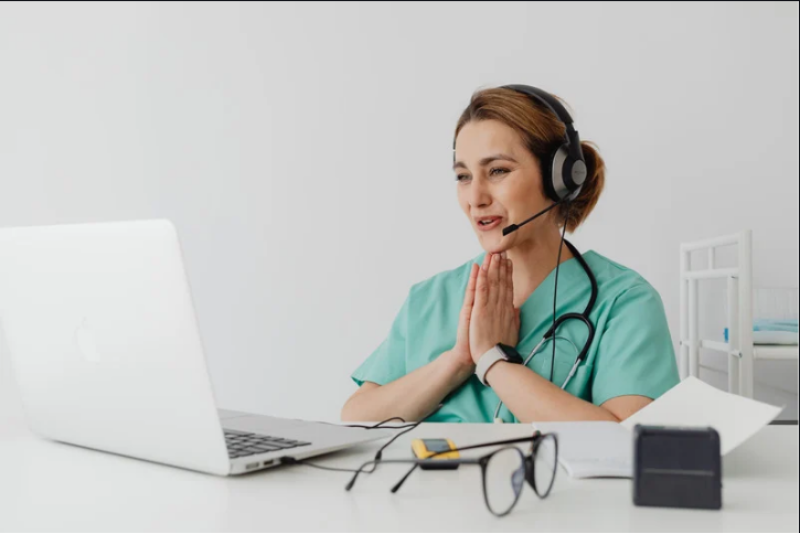
Virtual neurology appointments allow patients to connect with qualified specialists regardless of where they live. A patient in a rural county does not need a car or a day off work to access a thorough neurological consultation. The provider comes to them, through a screen, at a scheduled time.
For patients navigating a personal injury case or a workers' compensation claim, this accessibility is not just convenient. It is often the difference between getting documented care and going without it.
Why Telehealth Works Especially Well for Brain Health
More of the Work Happens Through Conversation Than You Might Expect
People sometimes assume that neurological care requires physical equipment and an in-person setting to be meaningful. That assumption undersells how much of a thorough neurological evaluation is built on detailed history-taking, symptom review, and structured cognitive assessment, all of which translate well to a virtual format.
In a telehealth neurology appointment, a clinician can:
- Review the full timeline of a patient's symptoms, including onset, progression, and triggers
- Administer validated cognitive screening tools remotely
- Conduct an online concussion evaluation that captures functional and cognitive markers
- Discuss prior imaging, test results, or documentation from other providers
- Coordinate next steps, including referrals to in-person testing when imaging or hands-on assessment is needed
When In-Person Testing Is Needed, Telehealth Coordinates It
Telehealth is not a replacement for every aspect of neurological care. Some assessments, including certain imaging studies and specialized oculomotor or vestibular testing, require in-person appointments. Good telehealth practices account for this. A thorough virtual evaluation identifies what additional testing may be necessary and helps patients get connected to those services efficiently, rather than leaving them to navigate the referral process on their own.
The Post-Injury Period Is Exhausting. Telehealth Meets Patients There.
Anyone who has lived through a concussion or traumatic brain injury knows that the weeks and months following the injury are not just painful. They are depleting. Cognitive fatigue sets in after short bursts of mental activity. Light sensitivity makes ordinary environments difficult to tolerate. Even a routine errand can feel like too much.
Asking a patient in that state to manage a long drive, navigate a parking garage, sit under fluorescent lighting in a waiting room, and then try to communicate clearly with a provider is asking a lot. It is not uncommon for patients to arrive at in-person appointments already mentally exhausted from the effort of getting there, which affects the quality of the information they can provide.
Telehealth removes that layer. A patient can prepare for their appointment from home, sit in a comfortable and controlled environment, and bring their full attention to the conversation rather than spending it on logistics. For people in active recovery, that is a meaningful clinical consideration, not just a convenience.
Telehealth Neurology Does Not Mean Lower Standards
Skepticism Is Reasonable, and Worth Addressing Directly
Some patients and family members wonder whether a virtual appointment can be as thorough as an in-person one. That skepticism is fair. It reflects a reasonable concern about care quality, and it deserves a direct answer rather than reassurance without substance.
Rigorous telehealth neurology looks like this:
- Structured intake and symptom documentation before the appointment
- Clinicians with formal training in neurological assessment, not generalists filling a gap
- Validated tools used consistently, with results that become part of the patient's medical record
- Objective documentation that can support legal, insurance, or workers' compensation processes
- Clear communication of findings and recommended next steps
Documentation Holds Up
For patients involved in personal injury cases or workers' compensation claims, documentation quality is everything. Telehealth records, when generated by qualified clinicians using structured protocols, carry the same evidentiary weight as in-person records. That matters when an attorney or case manager needs objective evidence to support a claim.
What to Expect from a Virtual Neurology Appointment
Before the Appointment
- You will complete intake forms that cover your symptom history, current medications, and any prior diagnoses or imaging
- If you have relevant records from other providers, gathering those in advance helps the clinician give you a more complete picture
- You will need a device with a camera and a stable internet connection, and a private space where you can speak freely
During the Appointment
- The clinician will walk through your symptom timeline in detail, asking specific questions about onset, frequency, severity, and how symptoms affect your daily function
- Depending on the nature of your evaluation, you may complete structured cognitive tasks or respond to standardized assessment questions
- You should expect the appointment to feel thorough. A good provider will not rush through it.
After the Appointment
- You will receive documentation of the evaluation findings
- If additional testing is recommended, the clinician will explain what it is, why it matters, and how to access it
- Follow-up appointments can be scheduled virtually as well, keeping your care continuous without logistical interruptions
When Getting Help Does Not Have to Be Hard
There is a version of healthcare where getting evaluated for a neurological condition means months of waiting, significant travel, and a process that demands more from the patient than the patient has to give. For a long time, that was simply the reality of specialty neurological care in most of the country.
That has changed. Not because the clinical standards have loosened, but because the tools for delivering rigorous care have expanded. Telehealth neurology, when done well, gives patients access to structured evaluation, objective documentation, and coordinated follow-up without requiring them to exhaust themselves to get there. For someone already managing the cognitive, physical, and emotional weight of a brain injury, that shift is significant.
Connect With Neuro360
If you have been putting off a neurological evaluation because the process has felt like too much, Neuro360 can help you move forward. Our telehealth neurology services provide structured, objective assessments conducted by qualified clinicians, with documentation designed to support your recovery, your legal case, or your workers' compensation claim.
Schedule a virtual neurology appointment from wherever you are. No long drive. No waiting room. Just the evaluation you need, delivered with clinical rigor.
📞 888-7-CONCUSSION
This content is for informational purposes only and does not constitute medical advice. Please consult a qualified healthcare provider for diagnosis and treatment.